In recent years, both the incidence and mortality of lung cancer have risen to rank first among malignant tumors worldwide. Although diagnostic and therapeutic approaches have continuously advanced, the overall 5-year survival rate for lung cancer remains approximately 14%. Patients with early-stage lung cancer may present without obvious symptoms; however, by the time a definitive diagnosis is established, most cases have already progressed to the middle or advanced stages. Therefore, accurate early diagnosis and timely treatment are crucial for improving patient survival.
Sputum cytology for the detection of malignant cells is one of the most important methods for the early diagnosis of lung cancer. Owing to its simplicity, noninvasiveness, safety, and repeatability, it has become one of the most widely used screening methods for early lung cancer detection in many countries and regions. However, reported positive diagnostic rates vary considerably both domestically and internationally due to multiple influencing factors. During conventional smear preparation, a large proportion of cellular material is discarded, leading to specimen wastage. In addition, the presence of numerous blood cells, mucus, and other impurities on glass slides may interfere with the observation of tumor cells. These factors likely contribute to the relatively low positive detection rate of conventional sputum cytology.
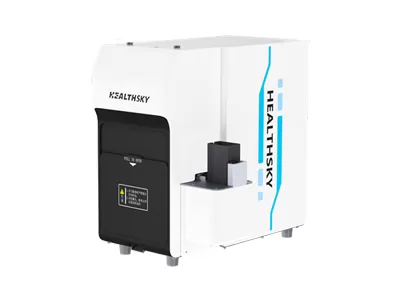
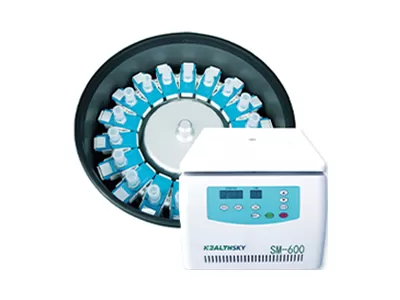
Liquid-based cytology (LBC) is a relatively new cytological examination technique. In sputum LBC, specimens are preserved in specialized collection vials, and automated instruments replace manual slide preparation, thereby minimizing variability caused by manual processing. The superior quality of slide preparation significantly improves diagnostic sensitivity. Compared with conventional methods, liquid based cytology technique utilizes dedicated specimen containers with preservative solutions that dilute mucus and maintain cellular morphology for extended periods. Automated slide preparation and staining produce evenly distributed cells with excellent staining quality, substantially reducing the workload of cytopathologists while improving the positive detection rate. Moreover, collected specimens can be repeatedly processed for additional slides or used for other pathological examinations.
Although sputum cytology can greatly improve diagnostic accuracy, specimen collection remains susceptible to contamination by epithelial cells from the upper respiratory tract. Furthermore, deep pulmonary lesions cannot be adequately assessed, limiting sputum cytology primarily to the preliminary screening of lung cancer.
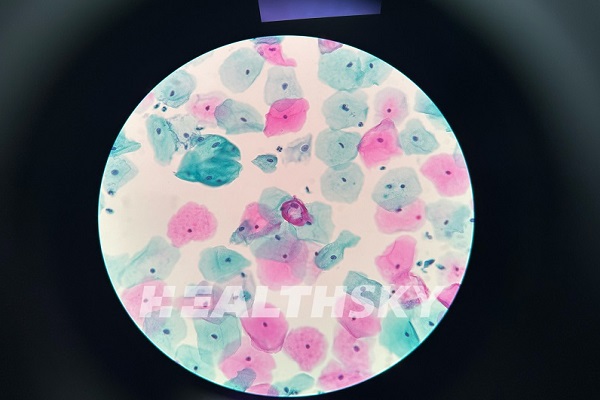
Fiberoptic bronchial brushing cytology is an important clinical method for the diagnosis of lung cancer. In conventional cytological preparation, clinicians use a bronchoscopic brush to collect mucosal cells from the lesion site and directly smear them onto glass slides for fixation and examination. However, uneven smearing force, delayed fixation, or excessive bleeding during brushing often result in unsatisfactory slide quality, including membrane disruption, cellular swelling and blurring, cell clustering, and obscuration by red blood cells, all of which contribute to a low malignant detection rate. The application of sedimentation-based liquid-based thin-layer cytology in bronchial brushing has achieved favorable results.
Specimen collection through fiberoptic bronchoscopy for LBC cytology, including sputum collection and bronchial brushing, can substantially reduce contamination from oral epithelial cells while also allowing localization of the lesion. For deeply situated lesions, bronchoalveolar lavage fluid (BALF) may also be used to obtain cellular specimens.
Bronchial brushing is particularly suitable for centrally located tumors near the pulmonary hilum. For lesions located deeper in the lung and beyond the reach of the bronchoscope, bronchoalveolar lavage fluid is recommended for cytological sampling. BALF examination is also highly valuable in the detection of interstitial lung diseases.
In China, bladder cancer ranks eighth among all malignant tumors in men and is the most common malignancy of the urinary system. In recent years, cancer incidence reports from several Chinese cities have indicated an increasing trend in bladder cancer incidence. The incidence in men is approximately three to four times higher than in women. However, among patients with bladder cancer of the same pathological grade, women generally have a poorer prognosis than men. The higher incidence in men cannot be fully explained by smoking habits and occupational exposure alone; sex hormones may also play an important role.
Smoking is currently the most well-established risk factor for bladder cancer, with approximately 30%–50% of bladder cancer cases attributable to tobacco use. Smoking increases the risk of bladder cancer by two- to six-fold. Urine cytology, due to its simplicity and convenience in specimen collection, is highly suitable as a routine health screening test, particularly for elderly men with risk factors such as advanced age and smoking history.
Fine-needle aspiration cytology (FNAC) is a branch of exfoliative cytology. This diagnostic technique involves puncturing a lesion with a fine needle to aspirate a small amount of cellular material for cytological examination. The aspirated cells are artificially exfoliated cells, and in some cases, small tissue fragments may also be obtained. These specimens can be used not only for microscopic cytological evaluation but also in combination with immunohistochemical and other ancillary studies.
FNAC technology has become highly mature and widely accepted in clinical practice due to its advantages of precise localization, minimal invasiveness, broad applicability, and rapid specimen preparation. However, as a cytological technique, conventional smear preparation still has a significant impact on microscopic interpretation. FNAC is mainly applied to solid tumors, where the quantity of obtained cells is often very limited and commonly mixed with blood. Traditional smear preparation methods cannot effectively eliminate interference from blood contamination, while mechanical manipulation may disrupt the original cellular arrangement. Consequently, the few available cells may become scattered across large and irregular microscopic fields. Cytopathologists often need to spend considerable time locating diagnostically relevant cells, and delayed slide preparation may further lead to cellular degeneration.
 EN
EN
 jp
jp  ko
ko  fr
fr  de
de  pt
pt  ar
ar  es
es  ru
ru  fa
fa  id
id