As is well known, pathology can be divided into histopathology and cytopathology. The German scientist Rudolf L.K. Virchow (1821–1902) was the first to creatively integrate microscopy with cell theory in the study of pathological morphology, thereby founding cytopathology and earning the title “Father of Cytopathology.”
The American cytopathologist George Papanicolaou (1883–1962) also made outstanding contributions. The Pap smear technique he developed has become the most widely used method for cervical cancer screening, significantly reducing both the incidence and mortality of cervical cancer.
Since the 1990s, the emergence and widespread adoption of LBC liquid-based cytology have further advanced the field of cytopathology, achieving remarkable progress.
Conventional smear techniques present several limitations, mainly including:
Poor cell preservation: Due to delayed fixation, cells are prone to swelling, degeneration, and deformation, which can affect diagnostic accuracy.
Uneven thickness: Conventional smears are highly operator-dependent; improper technique can easily lead to cell overlap and uneven distribution.
Excessive background debris: The presence of large numbers of red blood cells, white blood cells, mucus, and necrotic material can interfere with interpretation.
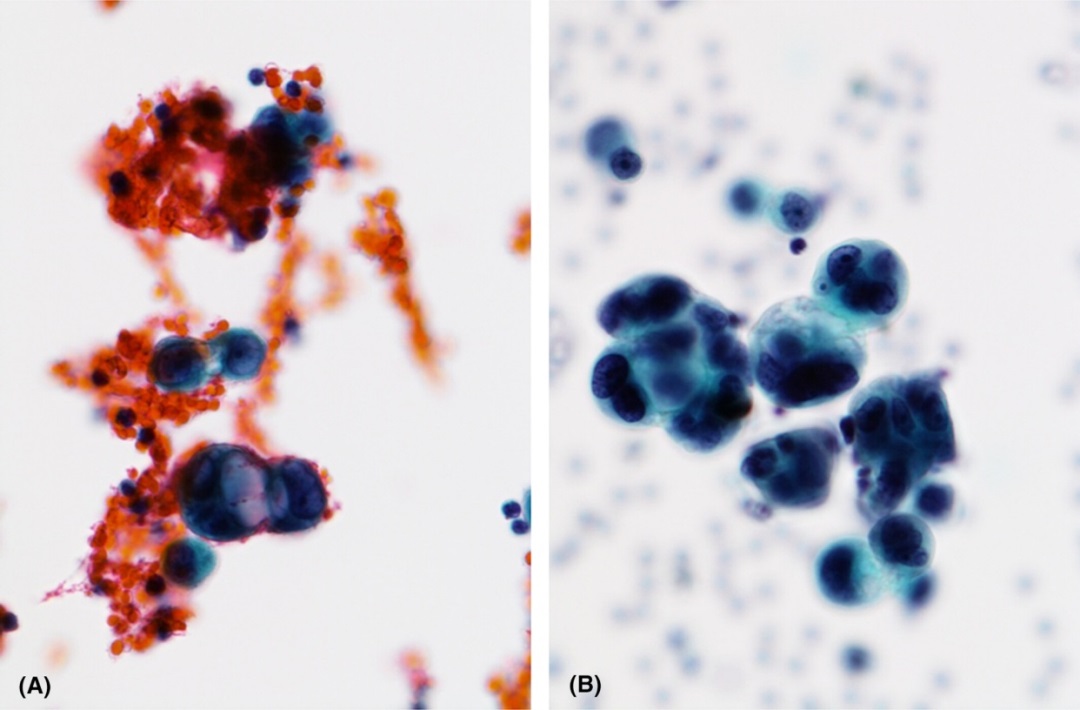
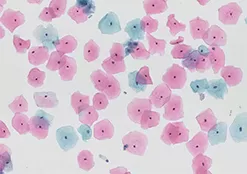
Figure 1: Comparison between conventional smear preparation and liquid-based cytology preparation (A: Conventional; B: Liquid-based).
Liquid-based cytology technique separates blood, mucus, and other impurities to produce slides with a clean background and evenly distributed cells, thereby significantly improving the detection rate of abnormal cells. The mainstream preparation methods include:
Centrifugation method: Simple and rapid; typically involves adding the agitated sample into a processing chamber followed by centrifugation.
Sedimentation method: Generally requires the longest preparation time but yields higher cellular density and preserves three-dimensional structural features.
Membrane (filtration) method: Preparation time is intermediate; however, cells may undergo some morphological alteration due to compression onto the slide.
Cervical cancer screening
Liquid-based cytology method remains the primary method for cervical cancer screening. When combined with HPV co-testing, it achieves the highest sensitivity and specificity, significantly reducing missed diagnoses and safeguarding women’s health.
Applications beyond gynecology
The use of liquid-based cytology in non-gynecological fields is steadily increasing. For example, fine-needle aspiration cytology of the thyroid helps establish a definitive preoperative diagnosis of thyroid diseases, reducing unnecessary or incorrect surgeries. Additionally, urinary cytology can be used for tumor screening in the urinary system.
Furthermore, liquid-based cytology specimens serve as valuable sources for molecular pathology testing—sometimes the only available source—providing important support for tumor classification and clinical treatment decision-making.
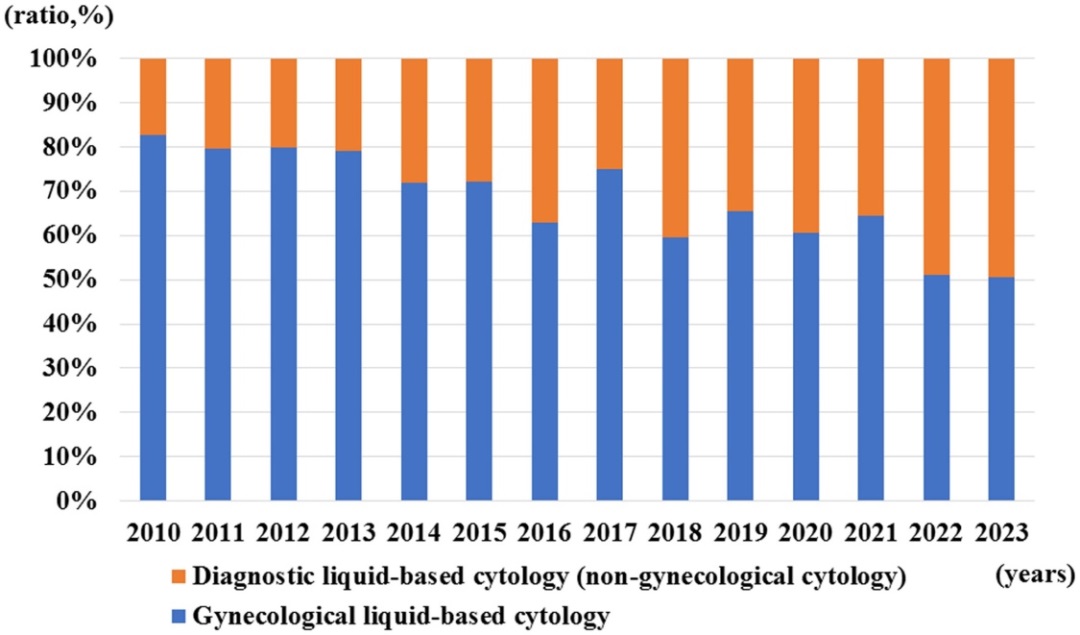
Figure 2: Research trends in the application of liquid-based cytology.
Reference:
Hideyuki Abe, Akihiko Kawahara et al. Advances in Diagnostic Liquid-Based Cytology. Cytopathology. 2024; 35: 682–694.
 EN
EN
 jp
jp  ko
ko  fr
fr  de
de  pt
pt  ar
ar  es
es  ru
ru  fa
fa  id
id