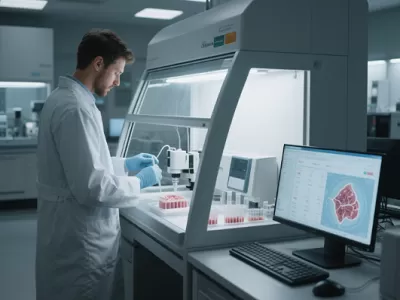
In the era of rapid development in precision pathology and translational medicine, cell block (CB) technology has evolved beyond its traditional role as an auxiliary diagnostic tool. It has become a core platform bridging cytological testing, immunohistochemistry, molecular sequencing, and multi-omics research.
With advantages such as long-term preservation, multi-technology compatibility, and high diagnostic accuracy, CB has unlocked the clinical and research value of low-volume liquid samples such as pleural effusion, ascites, and fine-needle aspiration (FNA). It has become an essential tool for tumor diagnosis, targeted immunotherapy, and prognostic assessment [1].
Based on recent domestic and international literature and frontline clinical practice, this article systematically analyzes the technical advantages of CB, five major research directions, and emerging trends over the next three years, providing comprehensive insights for professionals in pathology, laboratory medicine, oncology, and translational research.
Cell blocks are standardized preparation techniques for liquid-based cytological samples such as pleural effusion, ascites, and fine-needle aspiration (FNA). Through centrifugation, fixation, dehydration, and paraffin embedding, liquid samples are transformed into solid pathological specimens [2,3].
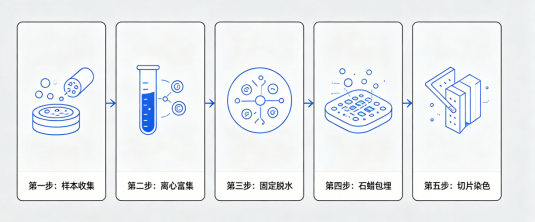
Figure 1. Cell block preparation workflow
Unlike traditional cytology smears, CB samples can be stored long-term, sectioned serially, and repeatedly analyzed. They are fully compatible with immunohistochemistry (IHC), PCR, FISH, next-generation sequencing (NGS), and spatial omics, forming the foundation of precision cytology diagnostics [3].
Improved diagnostic performance: Reduces indeterminate ascites cytology cases (AUS) and significantly increases diagnostic accuracy for suspicious and malignant lesions [4].
Reliable pathological correlation: Biomarkers such as BAP1 show 100% concordance between CB and tissue specimens, enabling precise differentiation of benign and malignant mesothelial lesions [5].
Supports precision therapy: Fully compatible with NGS [6], PCR [7], and FISH [8], providing essential molecular data for targeted and immunotherapy [9].
Cell blocks are often compared with histological samples to evaluate diagnostic accuracy in disease studies [10].
Comparative studies evaluate cytology smears, LBC liquid-based cytology, and cell blocks in diagnostic performance [11–13].
Research focuses on differences in preparation techniques [14,15], clinical applications [2,16–18], and various specimen types such as pleural effusion [19], sputum [20], urine [21], and cerebrospinal fluid [22].
Cell blocks combined with immunohistochemistry show higher sensitivity and accuracy than conventional smears in pathological diagnosis [17].
Application of specific biomarkers in pleural effusion and tumor microenvironment studies [23–25].
Multi-center consistency studies reduce variability from interpretation, fixation, and storage conditions, promoting standardization [26].
Prognostic modeling integrates morphology and molecular data for individualized cancer management [27,28].
A dual strategy combining supernatant and cell block enables efficient screening and precise quality control [29].
Complementary advantages: CB ensures morphological localization and quality control, while supernatant enables rapid molecular screening [30].
Expanded applicability: Enables reliable NGS testing even in low-volume samples (≥5 mL, ≥10% cell content) [31].
Cell blocks overcome nucleic acid degradation issues in FFPE samples and support spatial transcriptomics, proteomics, and single-cell sequencing, enabling deeper understanding of tumor microenvironments and heterogeneity.
Automated detection and classification of abnormal cells.
Intelligent sample quality control and adequacy assessment.
Multimodal predictive models integrating morphology, molecular data, and clinical records.
Cell blocks enable long-term room-temperature storage, supporting standardized biobanks for large-scale retrospective studies, clinical trials, and biomarker validation.
Today, cell blocks are no longer a supplementary cytology technique but a foundational infrastructure for precision pathology, a reliable carrier for molecular diagnostics, and a key material for translational research.
In the coming years, CB technology will continue advancing through standardization, biomarker innovation, multi-omics integration, and AI-driven transformation, significantly enhancing early cancer detection, classification, targeted therapy, and prognosis evaluation.
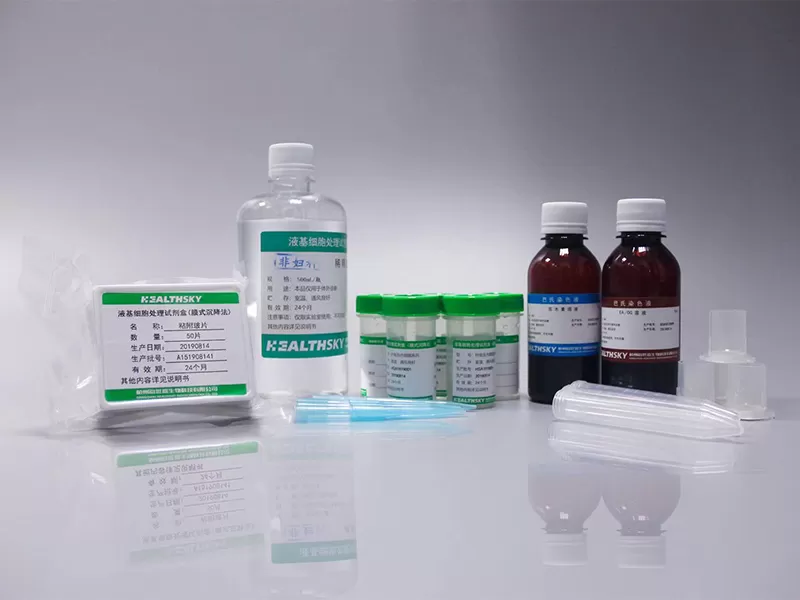
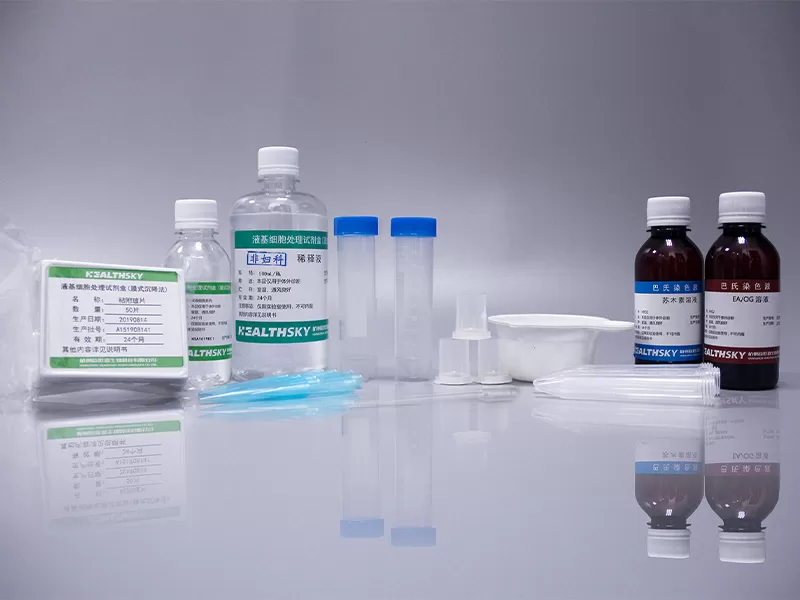
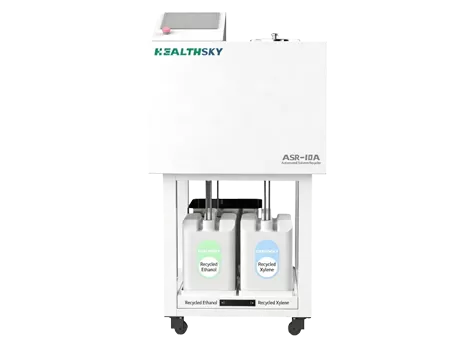
The Healthsky dehydration and embedding integrated system provides an automated, standardized, and contamination-free solution for cell block preparation. The workflow includes fixation, washing, dehydration, clearing, drying, paraffin infiltration, and embedding.
By fully controlling the process from pre-treatment to embedding, the automated tissue processing system eliminates limitations of traditional methods, improving specimen quality and diagnostic reliability. It enables a shift from experience-dependent preparation to standardized workflows, significantly increasing diagnostic yield in challenging effusion and FNA samples.
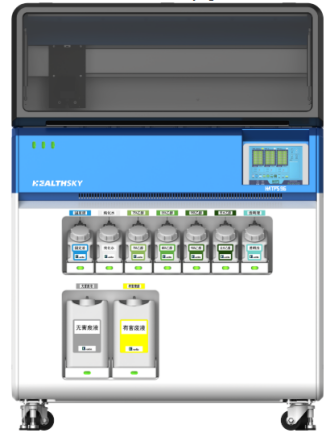
Figure 2. Healthsky dehydration and embedding system (ATP-96A)
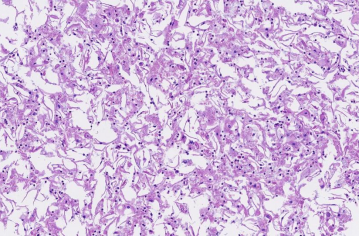
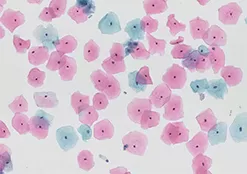
Figure 3. Urine HE ×40
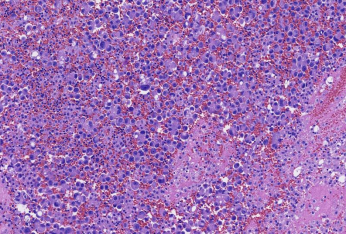
Figure 4. Pleural effusion HE ×20
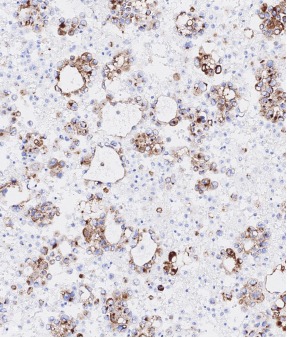
Figure 5. Napsin A ×20
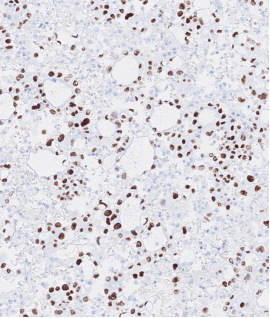
Figure 6. TTF-1 ×20
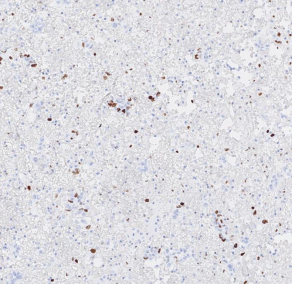
Figure 7. Ki-67 ×20
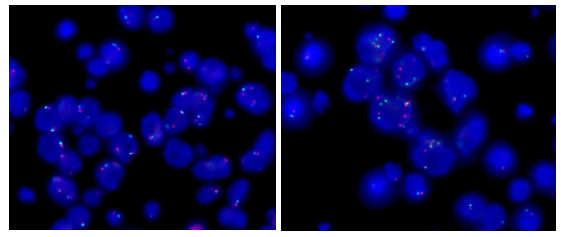
Figure 8. C-MET FISH analysis
Mayall F.G., et al. The precious cell block. J Clin Pathol, 2018.
Guo Jingwei, et al. Application of intelligent cell block systems. Diagnostic Pathology Journal, 2025.
Chapman C.M. CelLock: standardized cell block preparation. J Histotechnol, 2022.
Mandava H., et al. Serous effusion cytopathology system. Cureus, 2024.
Sa-Ngiamwibool P., et al. FISH in mesothelioma diagnosis. Lung Cancer, 2023.
Wei S., et al. NGS in lung adenocarcinoma cell blocks. Cytopathology, 2023.
Shidham V.B. Molecular tests in cell blocks. Cytojournal, 2021.
Han L.M., et al. HPV ISH in cytology. Cancer Cytopathol, 2022.
Alrajjal A., et al. Cell blocks in hematolymphoid lesions. Cytojournal, 2021.
Shidham V.B., Layfield L.J. Immunohistochemistry in cell blocks. Cytojournal, 2021.
 EN
EN
 jp
jp  ko
ko  fr
fr  de
de  pt
pt  ar
ar  es
es  ru
ru  fa
fa  id
id