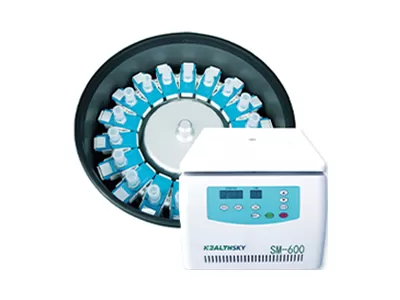
In the modern pathology department, cytotechnologists and pathologists face an unprecedented paradox: while early detection programs for cervical cancer are expanding globally, diagnostic labs are struggling with chronic workforce shortages and overwhelming sample volumes.
Traditional microscope-based screening is labor-intensive, visually exhausting, and prone to subjective diagnostic variation. While Liquid-Based Cytology (LBC) significantly improved sample quality compared to conventional Pap smears, manual slide review remains a human bottleneck.
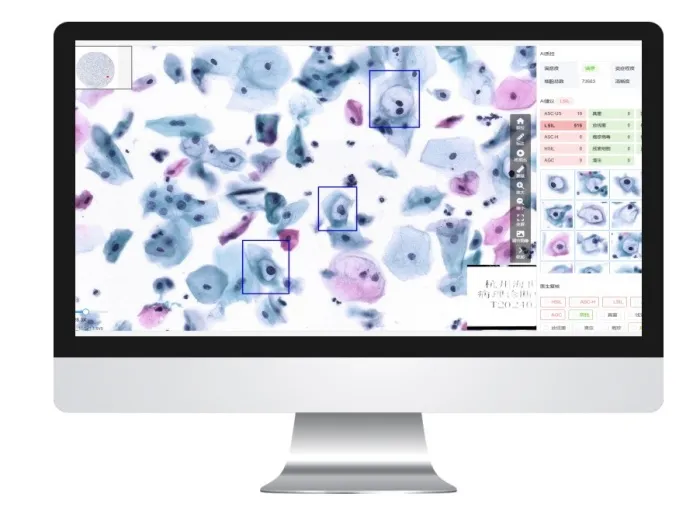
Enter Artificial Intelligence (AI)-driven Digital Cytology. By combining the standardized sample prep of LBC with deep-learning image analysis, pathology labs can transform cervical cancer screening from a slow, manual grind into an efficient, highly reliable digital workflow.
AI algorithms—specifically Deep Convolutional Neural Networks (CNNs)—thrive on consistency. Trying to run AI image recognition on traditional Pap smears often leads to high error rates because conventional smears contain overlapping cells, thick debris, blood, and irregular background noise.
LBC solves this fundamental "data input" problem:
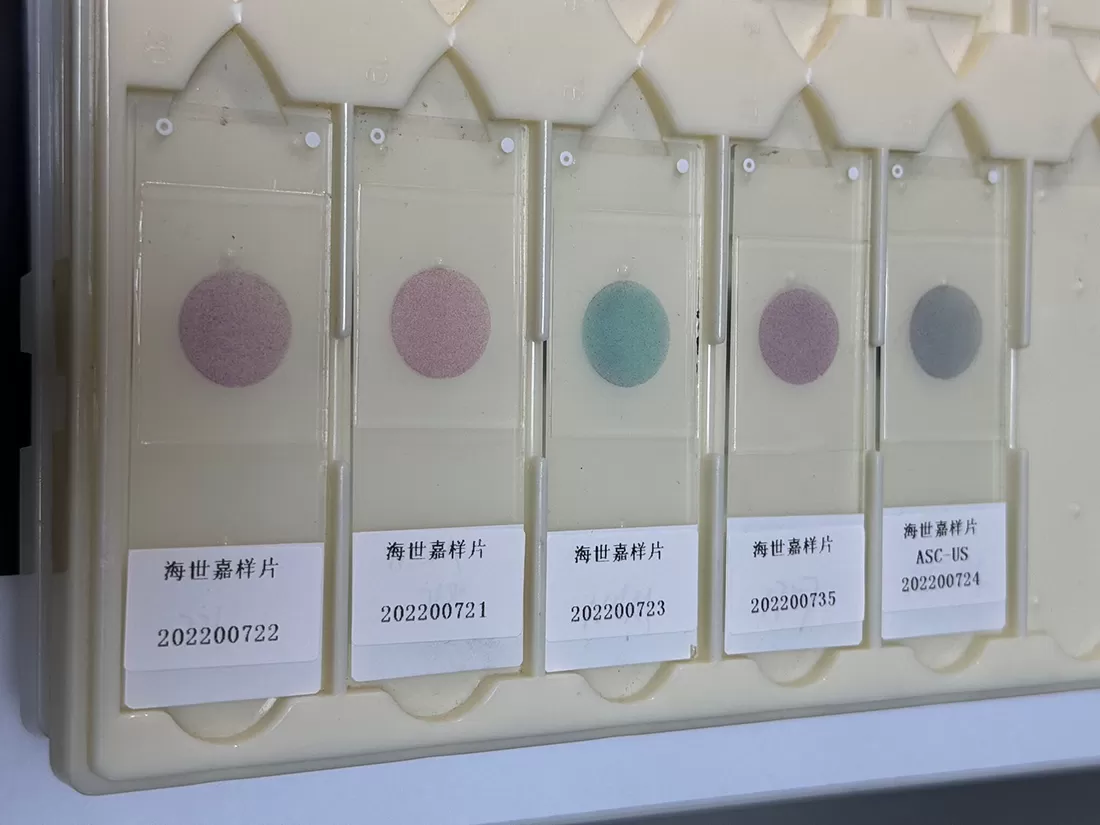
Monolayer Cell Distribution: LBC technology separates diagnostic cells from mucus and debris, depositing them in a clean, single-layer view.
Consistent Fixation: Standardized cell preservation preserves subtle nuclear morphology, such as chromatin patterns and membrane irregularities.
Standardized Slide Background: A clean slide background allows AI algorithms to isolate Region of Interest (ROIs) quickly without tripping over false-positive artifacts.
Key Takeaway: LBC provides the high-quality, standardized digital input that AI vision models require to achieve >95% diagnostic sensitivity and specificity.
In a traditional setup, cytotechnologists must examine every field of view on every slide—even when 85–90% of those slides are completely negative.
With AI-assisted digital cytology:
High-throughput slide scanners digitize LBC preparations into Whole Slide Images (WSIs).
The AI model rapidly screens the digital slide, categorizing cases into "Normal / Low Risk" and "Atypical / High Risk."
Primary Triage: Cytotechnologists can clear straightforward negative cases with significantly reduced review times, immediately prioritizing complex or suspicious cases (NILM vs. LSIL/HSIL) for expert human evaluation.
Instead of manually navigating an entire glass slide under 10x, 20x, and 40x magnification, pathologists are presented with an AI-curated gallery of abnormal cell clusters. The system automatically highlights cells exhibiting abnormal nuclear-to-cytoplasmic (N/C) ratios, hyperchromasia, or irregular nuclear contours. This target-review approach cuts down slide-reading time per case by up to 50–60%.
Cytology interpretation is inherently subjective. Diagnostic agreement between different observers—or even the same observer on different days—can vary. AI provides an objective, repeatable baseline that acts as an "always-on second reader," significantly reducing false-negative rates caused by fatigue or oversight.
Integrating AI with LBC isn't just an academic exercise; it delivers tangible operational and financial advantages for hospital laboratories and independent reference centers:
Operational Metric | Traditional LBC Workflow | AI-Assisted LBC Digital Workflow |
Average Slide Review Time | 6 – 10 minutes per slide | 2 – 4 minutes per slide (ROI-focused) |
Lab Daily Throughput | Limited by technician count & fatigue | Up to 2x - 3x increase in daily case capacity |
Quality Control (QC) | Manual 10% random rescreening | 100% automated AI pre-screening + targeted QC |
Remote Consultation | Requires physical glass slide transport | Instant digital WSI sharing for second opinions |
AI is not here to replace cytopathologists; it is here to liberate them from diagnostic fatigue and operational bottlenecks.
By establishing a robust foundation with high-quality Liquid-Based Cytology preparations, pathology departments can seamlessly transition into AI-driven digital diagnostics—achieving faster turnaround times, higher diagnostic confidence, and scalable screening capacity.
Transform Your Pathology Lab with Standardized LBC Solutions
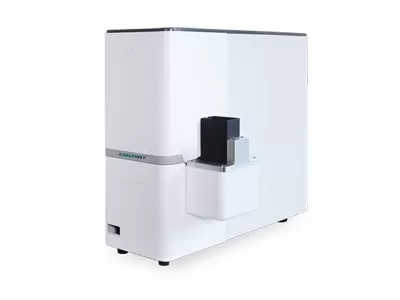
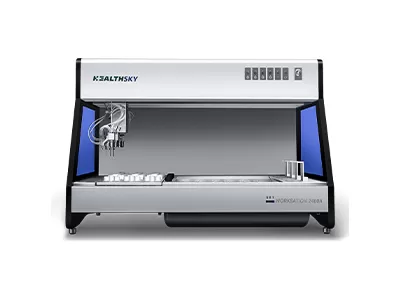
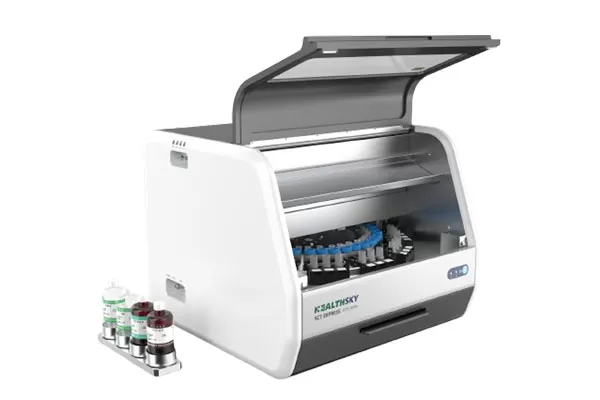
High-quality AI algorithms require flawless sample preparation. Explore our range of advanced Liquid-Based Cytology (LBC) systems, automated stainers, and preservation reagents engineered to deliver crystal-clear slides for both manual and digital diagnostic workflows.
 EN
EN
 jp
jp  ko
ko  fr
fr  de
de  pt
pt  ar
ar  es
es  ru
ru  fa
fa  id
id